
Down Memory Lane
Scottish Malt Whisky

Sometimes a tasting can be a nostalgic experience. Last week The Whisky Exchange held its annual malt whisky event at the Glazier’s Hall in Southwark. These days it is as much about rare ‘malt’ whiskies from Japan, India, Ireland, or Godknowswhere as it is about Scotland.
My involvement with Scotch whisky – malt in particular – dates from 1988, when I was appointed to the FT Weekend food and drink team. As far as alcoholic drinks were concerned, I got to cover anything under 6 percent or over 16 percent alcohol. Edmund Penning-Rowsell and Jancis Robinson did the bit in-between. Essentially that meant I was responsible for beer and spirits.
I was pretty unfamiliar with Scotland, but the first time I made a serious foray across the border in 1985 wasn’t actually my first trip. A few weeks before I went up to university, I was working as a delivery man shifting huge fridges to places like Golders Green. One day we set off further afield, all the way up the M1 to Scotland. My driver and I holed up for the night in Preston before crossing the Lake District and making for East Kilbride, where he got out to talk to ‘yer man’ and returned with his finger in his ear. ‘I didn’t understand a single word. You go and talk to him!’
I found a little old man whose accent owed as much to Glogau as it did to Glasgow. I was familiar with Central European émigrés. My driver was very impressed by my skills. We parked the fridge in the indicated spot then beetled home.
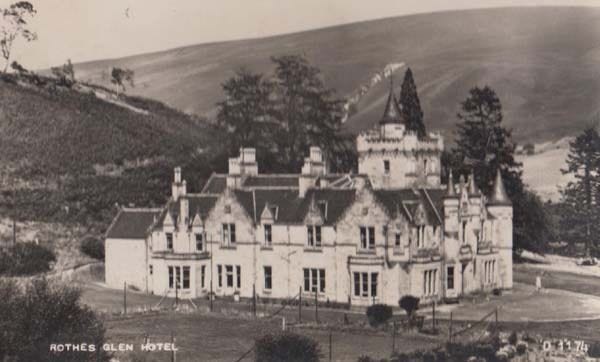
Ten years later my trip was rather more glamorous. I flew to Aberdeen with a PR woman on both arms – one for the J&B blend, another for the malts. We went straight to the Rothes Glen near Aberlour where a Highland cow had clearly been stationed in a field to greet us. The hotel was not as tartily got up as it is now, we were too late for dinner but sandwiches had been laid out, and there was whisky. The next day we visited Knockando and the modern Auchroisk, distilleries that contributed to the J&B blend. Auchroisk produced a malt called ‘The Singleton’ (this is now made elsewhere). There were lots of jokes about a television presenter called Valerie Singleton. The following afternoon we flew to Glasgow where I interviewed Jim Muir, head blender of J&B, then we went back to London.
Between 1988 and 2003, I got to know whole swathes of Scotland. I had it in my head to visit all the under a hundred functioning distilleries. I never managed this, as many were not set up to receive visits and were pretty inaccessible as well. I became used to flying up to Glasgow for dinner, stopping for the night in a hotel before taking the 7 am, heart-attack flight to Islay ‘International’ on an antiquated aircraft. From Islay I crossed the straits to Jura by ferry. Once I flew to Kintyre and the distilleries at the bottom of the isthmus. The Lowland malts were approachable by road from Glasgow or Edinburgh, the Speysides closest to Aberdeen, and the Highland whiskies mostly accessible from Inverness, and you could cross the Kyle of Lochalsh to Talisker on Skye. Portree felt quite metropolitan, with its shops. I recall buying local lamb from the butcher and taking it home for dinner. Once I went from Edinburgh to Orkney. On another occasion I got no further than Edinburgh, as fog had descended on the archipelago and the airport was closed.
Mostly I was on my own, but sometimes I was taken by a PR or accompanied by other writers. I got to know all the Scottish whisky specialists and others too. Head office would send someone to talk to me, and then I would interview the generally monosyllabic distillery manager, often an ex-merchant seaman - boilers and spirit-stills have much in common. The greatest joy was to find myself travelling with Michael Jackson – no, not the one with the monkey – the nicest of men, who wrote about whisky for the Independent. I still miss Michael.
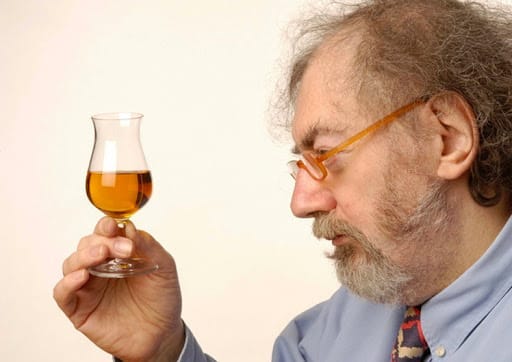
‘Last night I dreamed I went to Manderley again.’ I said to myself as I went into the tasting. I had decided I would taste only malts with an age-statement, and ignore all those with marketing names that led on fancy wooden cask treatments. Some of these, I suspect, cover up for the fact the whisky is quite young, and needs tarting up. In the old days it was also not necessarily true that that the oldest age-statement was the best, however, sometimes it was a modest 8-year-old, something Michael knew well.
‘Do you know Scotland?’ ‘Have you ever been to Islay?’ ‘Have you ever heard of peat?’ The nice people asked. I reassured them. Sometimes I engaged them and they dimly recognised the name of a former manager. In the main, there is a slicker style these days, appropriate for a much bigger international market for malt. Prices have rocketed, and there are plenty of new distilleries. I refused to be distracted (although I did taste the Dublin-made Teeling for the first time).
So, here are my recommendations: a very nice traditional Aberfeldy 12 in a style similar to Speyside with lots of honey and spice. Singleton is no longer made at Auchroisk and I didn’t care for it much either.
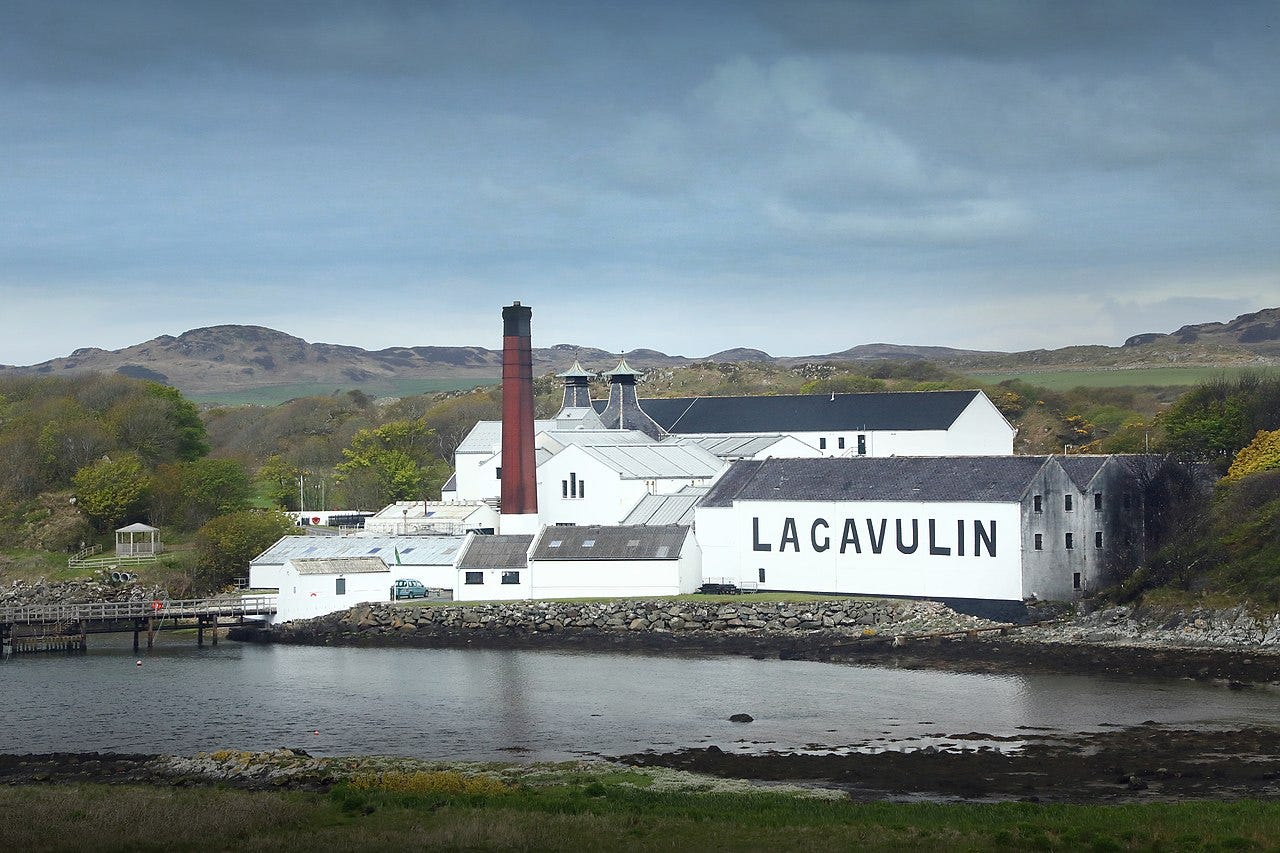
On much more familiar territory, the Lagavulin 8 is as good as ever: plenty of peat and that medicinal character that frightens the faint-hearted (Jim Muir told me he’d rather drink gin). On the palate it is even a bit fruity. It is, as good an Islay malt as you will find, way superior to the 16. Laphroaig 10 is probably the best-value single malt with its uncompromising peatiness. It may be had for as little as £35. There is a more expensive limited edition which reeks of sherry. I also enjoyed an 11 from Single Malts of Scotland, bottled at 65 ABV which had lashings of peachy fruit behind the peat.
Ardbeg was a place of pilgrimage for malt-spotters even in the 90s. It claims to be the peatiest whisky of all. The 10 is notably peppery – good for haggis. Port Askaig is the old Caol Isla. The 8 leads on sherry but a splash of water brings out the peat. It has a pleasant complexity. Also from Islay, Bunnahabhain 12 was never peaty, it attacks with its oloroso butt-ageing and has a nice-honeyed palate. Bowmore was available both with sherry and bourbon oak finishes. I much preferred the Bourbon cask, it seemed bigger, longer and peatier.
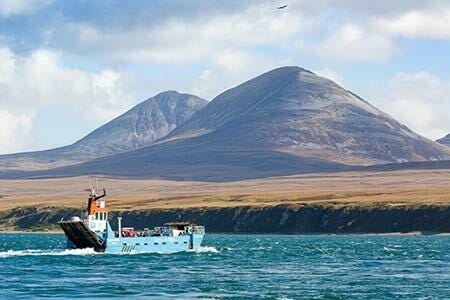
I had an abundance of memories of Jura, and of the fiery manager Willie and his long-suffering wife Christine. Jura is very fairly priced, but I wasn’t mad about the 14 in its rye cask, better was the sweet and salty 18, a tribute to the lashing seas in the straits. Arran was only a baby when I was last in the region. They have now bottled a 30-year-old. The 10 is un-peated and fruity, the 12 in a red-wine cask is better with its honey/peach character.
Talisker 10 from Skye has a bit of peat but it was a well-mannered malt with aromas of sherry wood, toffee and some pears on the palate. Tobermory 12 never enjoyed a big reputation. It is quite raw, but there is a fruitiness about it. From Orkney, Highland Park was always a stunner, and I liked the sweetish, fruity 15.
Glengoyne, north of Glasgow I knew well. It used to lead on its un-peated nature, a nice, honest, un-made-up whisky. The 12 with its complex apples-and-pears character appealed most. I went back on the tube, wallowing in memories.
At one time my accountant was also the Sec'y of the Scotch Malt Whisky Society. I would go up to Edinburgh 'to check my accounts/do some research at the university'. His sitting room was graced by a shelf of the Society's finest. There is research and...research.
I do really, wines mostly. Some people read it, but not enough. This sort of writing does seem to have died out a bit. Most of the time at tastings you are in the company of sommeliers. 'Wine writers' are very rare. In some ways they willed their own extinction: there were those who felt that making people drink wine rather than beer would be tantamount to a social revolution (I think we do drink more wine than beer now) and there were others bent on 'demystifying' wine. They both succeeded. Without secrets wine is an alcoholic drink that tastes vaguely of fruit, and takes you quickly to paradise.