
Vinous Volcanoes
February Wines

Just a year ago, I tasted my first Koshu wine. Koshu is an indigenous Japanese cultivar which makes whites of great delicacy and limpidity. The nearest thing I could compare them to would be the great Chasselas wines made on the north side of Lake Geneva. Chasselas is generally a dull grape, but in Dézaley it achieves a sort of perfection. The wine is so deliciously light that you want to settle down with a bottle there and then and watch the light play on the waters of the lake. Koshu, however, does not come from a lakeside site, but from volcanic, or granite soils, and at altitudes of up to 700 metres.
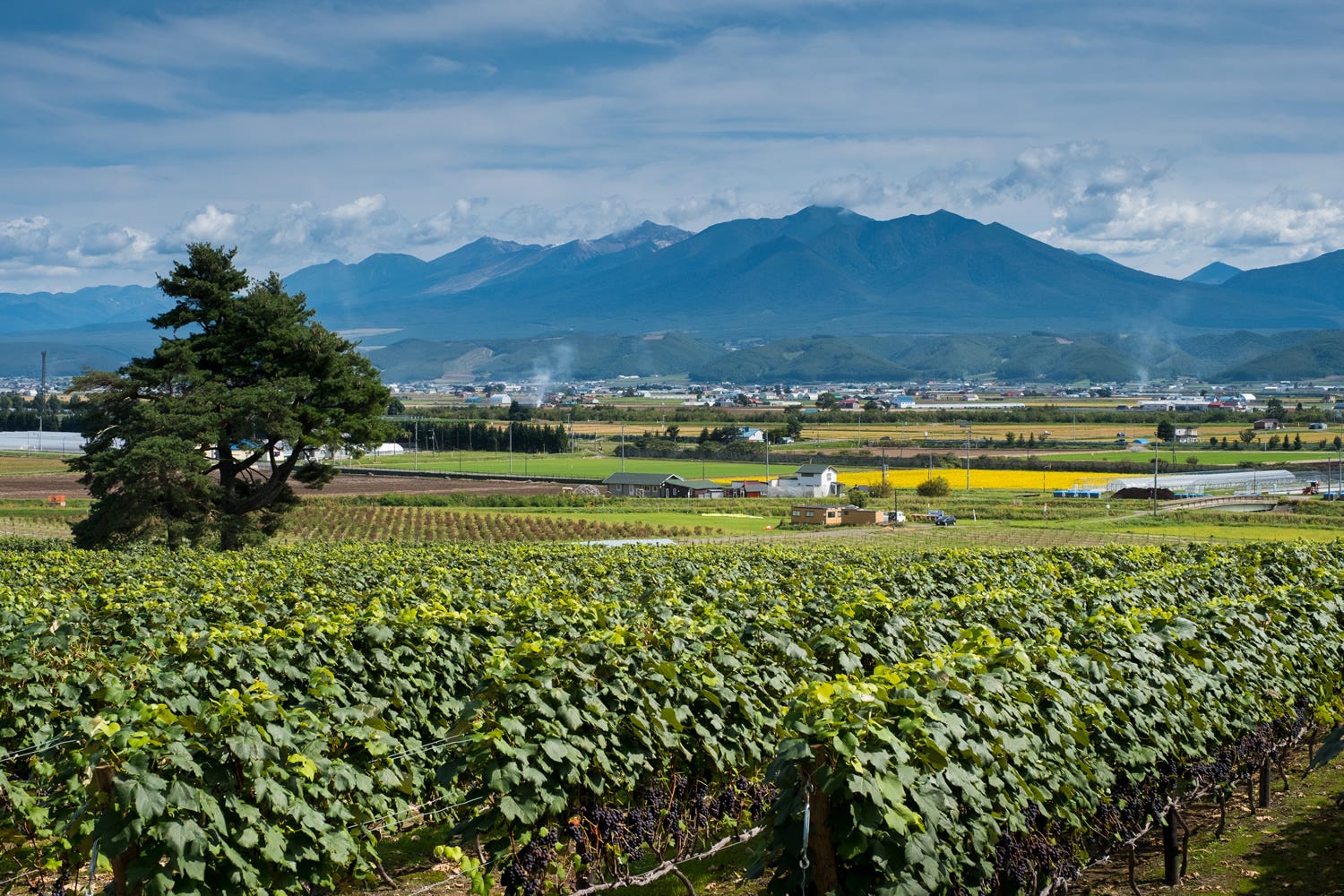
Like Dézaley, Koshu wines are dry, clean, light and refreshing, often with a spectacularly long finish. Every now and then they have a little earthy cattiness about them, as in the 2024 Aruga Branca Densho or Grace Wine’s Kayagatake and Grace, which was a little bit peachy too. Others are lemony, such as Fujiclair’s Ginka, Iwasaki Jozo’s sur-lie ‘Utatane-wa’ or Grace’s Hishiyama. Grace’s Misawa was perhaps the best of the lot, rather more mineral than some, with a hint of lychees. Koshu makes wonderful sparkling wines like Château Honjyo Iwai ‘Hoshiai-no-Sora’ or Lumière’s Sparkling Koshu. Fujiclair’s is also good. Some vineyards also grow Western vinifera grapes, chiefly Bordeaux varieties or Syrah. They are never ponderous. Two of the best are the Bordeaux-style field blend from Château Honjyo or Suntory’s Tomi, which one might confuse with a light cru bourgeois.
Koshu wines are delightful. I only wish I could afford them.
Hungary’s dry Furmints are often good value. They range from a sharp, honey-and-apples character to something more challengingly mineral and austere. Some Tokay is grown on volcanic soils, although many are planted in deep loess. In Somló in western Hungary, the vineyards cling to an extinct volcano. Furmint is very acidic, perfect for sweet wine, but needs to be properly ripe if vinified dry. Robert Wenzel in Rust told me there was green and yellow Furmint, one much more acidic than the other. When I asked the affable László Mészáros from Diznókő, which was used in Tokay, he said there had been much confusion since communist times, when little care was taken over planting, but certainly warmer summers helped render dry Tokay more palatable: 2024 had been the earliest harvest ever. To illustrate his point, he said previously there were never plantings on the plain, it was too cold. Now there are grapes grown all over the flat lands.
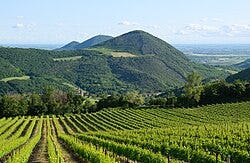
Diznókő makes one of the best-rounded dry Tokays. Patricius is another contender. I had one that was twenty years old which was terribly impressive. Those from Harsanyi and Carpinus are also recommended, although the former’s ‘Eye’ is only 70% Furmint. ‘Megyer’ gets the oak treatment which shows in its creaminess. Carpinus’s 2024 Lapis is made in tiny quantities from 40-year-old vines. Oremus is owned by Vega Sicilia in Spain. The 2014 Mandolás has a wonderful structure. Sauska and Royal Tokay make dry Furmint even in crus like Birsalmas and Szent Tamás.
Volcanic Somló’s wines were traditionally associated with honeymoons. Those made by Kolonics were notably mineral and austere even if there is often a pleasant smell of honey. I asked the winemaker what he would eat with them. He replied ‘seafood and cabbage’ – perhaps not everyone’s idea of a wedding feast. He had some older vintages: the earthy 2018 came out best and examples of Juhfark and Hárslevelű. They were also not easy wines.
Another recent development has been champagne-style sparkling wine. Carpinus and Sauska are good.
Tokay’s famous sweet wines fall into two categories: szamorodni (‘as we get it’) which are late-harvest wines, and Aszu, made with adding hods (puttonyos) of botrytis-affected grapes. Diznókő’s 2022 late-harvest wine was deliciously raisiny, but a wet September meant the wine was declassified. The 2021 ‘1413’, celebrates the first mention of Tokay. The wine is deemed not good enough for Aszu. It is still beautiful, with a lovely palate of apple and pineapple. A 2014 5 puttonyos Aszu had hints of saffron and ginger.
Fülecky’s 2018 Pallas late-harvest had me thinking of mangoes, the 2019 6 Puttonyos pineapples. Wines like Carpinus’s 2021 Late Harvest have 100 grams residual sugar, but are still not Aszu. The 2016 Aszu (twenty percent Hárslevelű) has twice as much. Spicy on the nose (radishes?) it is all apricots and peaches.
Harsanyi’s sensational, rich, creamy 2021 six puttonyos wine also has 200 grams. Hétszőlő has a 2022 late harvest which tastes of rich, sweet apples, while their 2014 five puttonyos Aszu wine was spices, peaches and raisins. Sauska fielded a 2022 five puttonyos wine with the usual cling fruits. It is hard to find faults. Royal Tokay’s was the 2017 Gold Label six puttonyos: peaches, mangoes and caramel. Patricius’s 2023 Late Harvest with 70grams of sugar was cool and raisiny, their 2017 Aszu six puttonyos apricots and peaches, cool and syrupy. Oremus showed a pineapple/peach 2024 late harvest and a 2019 Aszu five puttonyos: apples and peaches and no complaints from me.
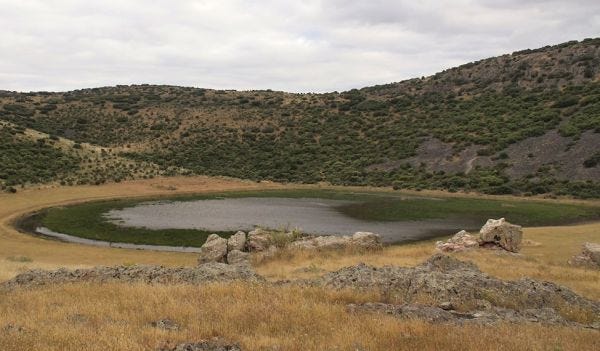
Spanish wine tastings tend to be huge affairs focussing on a small number of familiar regions, so this year’s more restricted gathering, with circulating plates of tapas was a welcome change. I arrived with the first spring sunshine and tried some wines from the Quinta de Aves in the new DO Campo de Calatrava. Once again, volcanic and altitudes between 500 and 700 metres in an area south of Toledo. The wines were a pleasant surprise from a 2025 Chardonnay to a Cabernet Franc/Graciano rosé, oaky Tempranillo and an impressive Syrah. The best were the Cabernet/Tempranillo blend and a lingering pure Tempranillo made from 70-year-old vines grown at 700 metres.
Artadi’s new-wave, light and linear, high-altitude Rioja comes at a price. I liked the basic 2022 Vinhas de Gain a lot (£38) and a much more expensive 2021 La Poza, also the 2022 El Carretil (£120 in bond!). Gil Pejenaute in Campo de Borja buys Garnacha Tinto grown on gypsum soils to make a range of wines. The 2023 Pilar de Cerro had nice Grenache aromas of dried tobacco. Huerta de Albala is in Cadiz in the deep south, where Drake singed the King of Spain’s beard. Until a few decades ago the table wines of Andalucia went unsung, but I have had good whites from Jerez. The 2025 Polverete was a lovely zinging white Bierzo from Emilio Morro. Finally. Bodega Otazu in the Pago de Otazu DO in Navarre. The whites lead on Chardonnay, the reds on Bordeaux varieties. The basic 2024 Ozu was a liquorice-like Cabernet, Merlot and Tempranillo blend. A step up was 2022 Pago made from more Merlot than Cabernet – soft and plump – while the top wine was a pure Cabernet Sauvignon 2019 ‘Altar,’ made in a rich, hedonistic style.
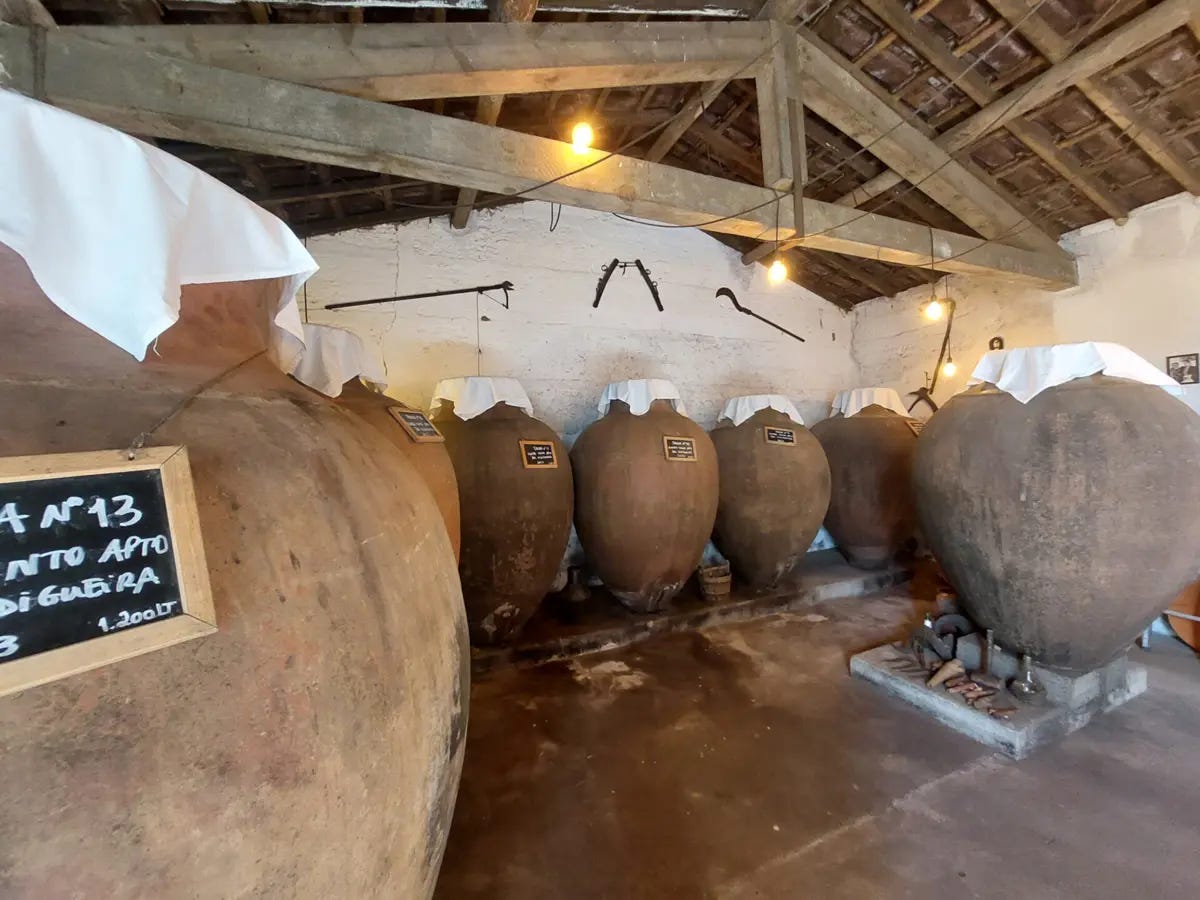
From there it was a short hop to Portugal, where I concentrated on the Alentejo. I have a nagging feeling that I have been to the Herdade do Rocim in Vidigueira, and seen the great amphoras or ‘talhas’ where they make some of their wines. I returned with some plates, and possibly the big slipware bowl in which I still make my weekly miche loaf. The wine I would choose from here would be the Olho de Mocho (Owl’s Eye) made from Trincadeira and Alicante Bouschet, a fairly classic rendition of the Alentejo style. Talhas have also been introduced at the Fundação Eugénio de Almeida, which makes the Alentejo’s top wine, Pera Manca. That was nowhere to be seen but Cartuxa was, along with the gamy 2019 Reserva, which is always a delight. It has been joined by a clay-matured version which brings out the raspberry-like Aragonez fruit. I recall drinking an excellent bottle of Cartuxa in a central Lisbon restaurant while my two-year-old daughter slept on a couple of chairs. Time flies: she’s now twenty-eight.
In the Alentejo, João Portugal Ramos is pretty well everywhere. His Marquês de Borba Reserva is one of the best value wines on the market. Since I last looked, a great spirit has quit Esporão: David Baverstock left in 2021 after clocking up thirty vintages. The wines are still good, and I am more and more impressed by the whites. The elegant 2019 Esporão Private Selection was still David’s work. Another estate I admire is Mouchão. New to me were the excellent whites and the port-like 2016 Dessert Tonel made from Alicante Bouschet, a ‘teinturier’ staining variety that succeeds in the Alentejo better than anywhere else in the world. Mouchão’s flagship red is 85% Alicante Bouschet and a wonderful wine with great staying power, Two or three Christmases ago we drank a marvellous 1990, an unforgettable wine. Alicante Bouschet is as special to the Alentejo as Chasselas is to Lake Geneva.